Safety
🌧️ Driving in Rain - Handling Wet Roads
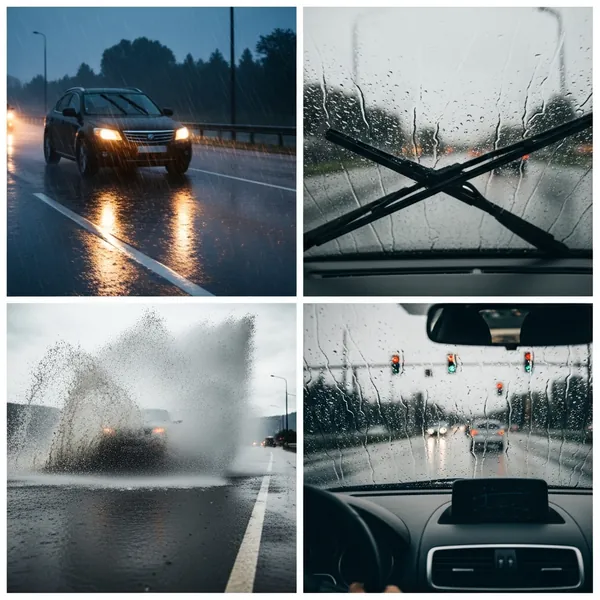
Rain changes road conditions dramatically and requires adapted driving. Aquaplaning is a real danger.
Risks when driving in rain:
- Poorer grip - braking distance can double
- Reduced visibility
- Aquaplaning
- Reflection and glare from wet asphalt
- Fog on windows
Aquaplaning: When a film of water forms between tires and road surface, you lose control.
- Occurs at about 80 km/h and higher
- Worn tires increase risk significantly
- Noticed by steering feeling light and steering weak
- During aquaplaning: Release gas, do NOT press brake, keep steering wheel straight
Adapt your driving:
- Reduce speed - at least 10-20 km/h below normal
- Increase distance to vehicle ahead
- Avoid sudden movements
- Use engine braking on downhills
- Brake gently and early
See and be seen:
- Use low beams (fog lights only in heavy precipitation)
- Keep windshield wipers in good condition
- Use climate control to avoid fogging
- Keep windows clean - dirt further reduces visibility
Especially important:
- First rain after dry spell is most dangerous (oil and dust form slippery surface)
- Water puddles can hide holes and unevenness
- Don't drive through deep water - risk of engine damage
Lesson Details
Category
Safety
Status
Free